
Short answer: a membrane bioreactor (MBR) replaces the secondary clarifier and tertiary filters of a conventional activated sludge plant with submerged membranes. It needs much less space and produces consistently clearer, low-solids water suitable for reuse, at the cost of membrane cleaning and higher aeration energy.
How conventional activated sludge works
Bacteria in an aeration tank break down organic matter. The mixed liquor then flows to a clarifier where sludge settles and clear water overflows. Further sand and carbon filtration is usually needed before reuse.
How an MBR works
Hollow-fibre or flat-sheet membranes sit in the aeration or membrane tank. Treated water is drawn through pores small enough to hold back suspended solids and most bacteria, so settling no longer limits the process.
Comparison
| Conventional activated sludge | MBR | |
|---|---|---|
| Footprint | Larger – needs clarifier and filters | Compact – no clarifier |
| Treated water | Depends on settling; needs tertiary filtration for reuse | Consistently low turbidity and suspended solids |
| Upgrade of existing STP | Requires more tanks for more capacity | Often increases capacity in the same tanks |
| Operation | Simpler; sensitive to sludge settling problems | Membrane cleaning and scouring air needed |
| Energy | Lower | Higher, due to membrane air scouring |
When MBR makes sense
- Space is limited, e.g. apartments, hospitals, hotels and IT parks.
- Treated water will be reused for flushing, cooling or gardening.
- An existing STP must handle more load without new tanks.
Products
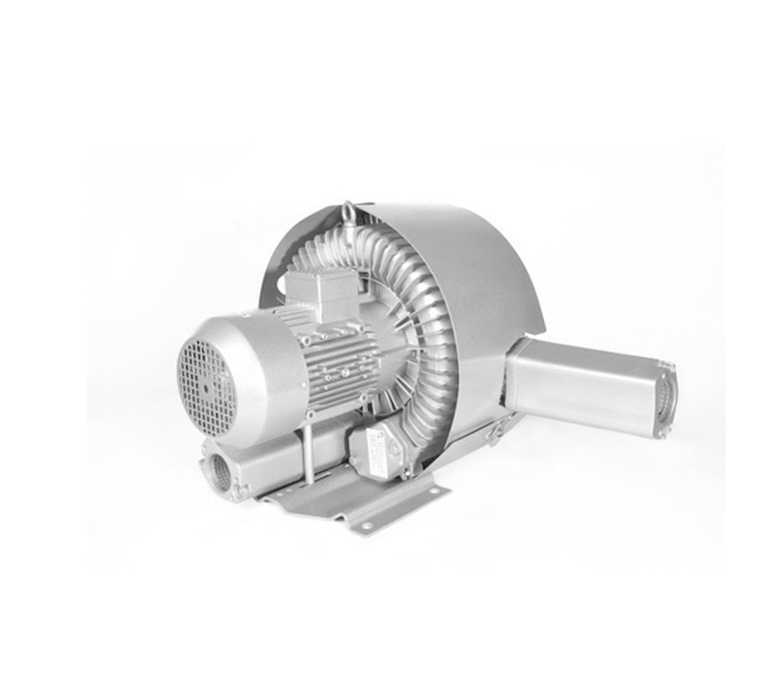
Mitsubishi Chemical MBR membranes · aeration from Everest blowers · UF polishing with Deerfos or Mann+Hummel modules.
Get a quote for MBR membranes
Share your duty (flow, head or pressure, liquid and application) and our engineers will recommend the right model and send a quotation.
Request a quoteCall sales +91 93674 44050WhatsApp usService and breakdown support: +91 93674 44041 · [email protected]